
Members Report 2025
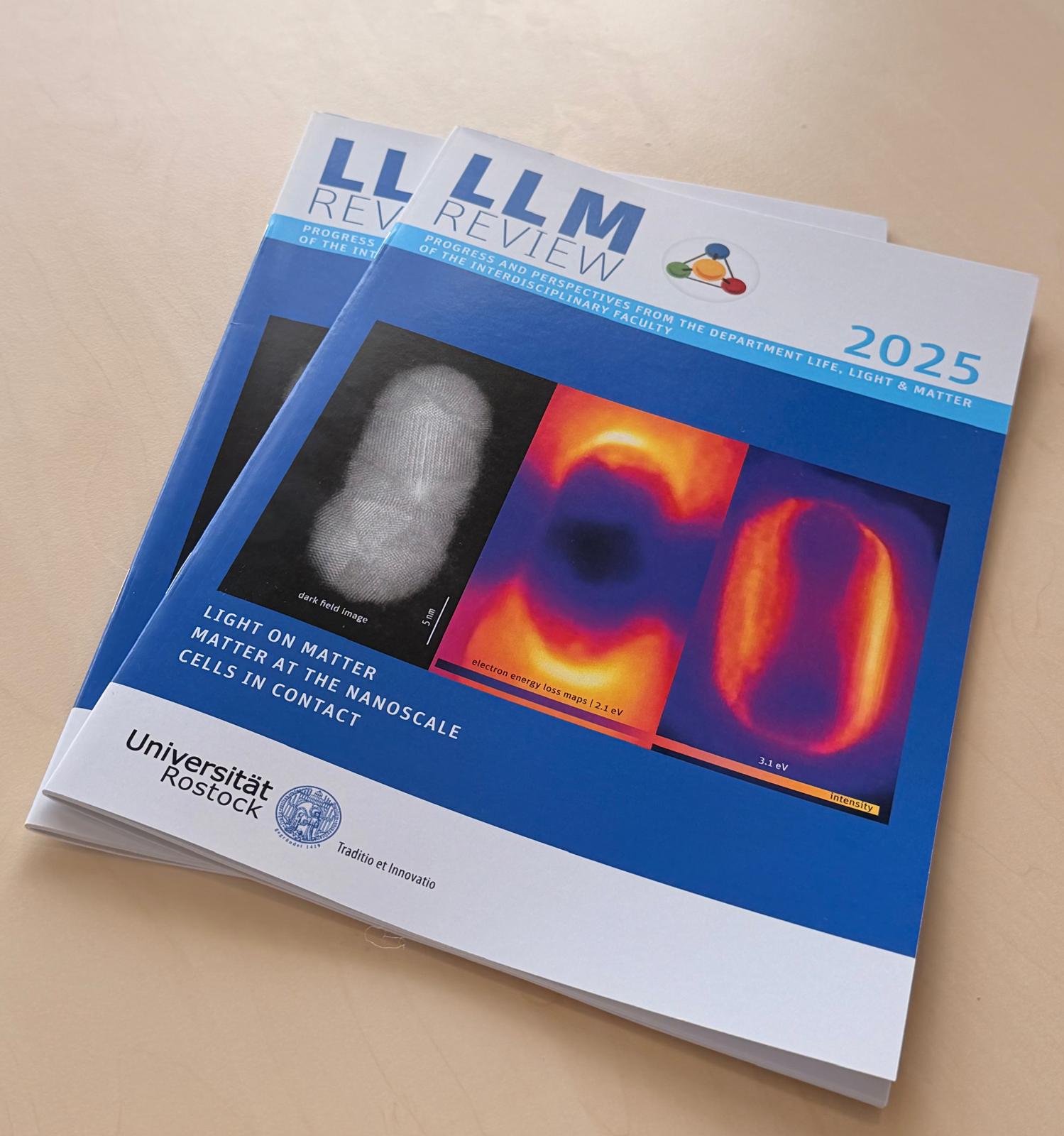
The Members Report 2025 presents the interdisciplinary research activities of the Department of Life, Light & Matter at the University of Rostock. It brings together selected research highlights, competence centers, and scientific contributions from across the department.
The report covers key topics such as light–matter interaction, nanoscale materials, and biohybrid systems, reflecting the department’s focus on processes at the atomic and molecular level. It provides insights into ongoing projects, collaborative research, and the scientific environment within LL&M.
Research Highlights
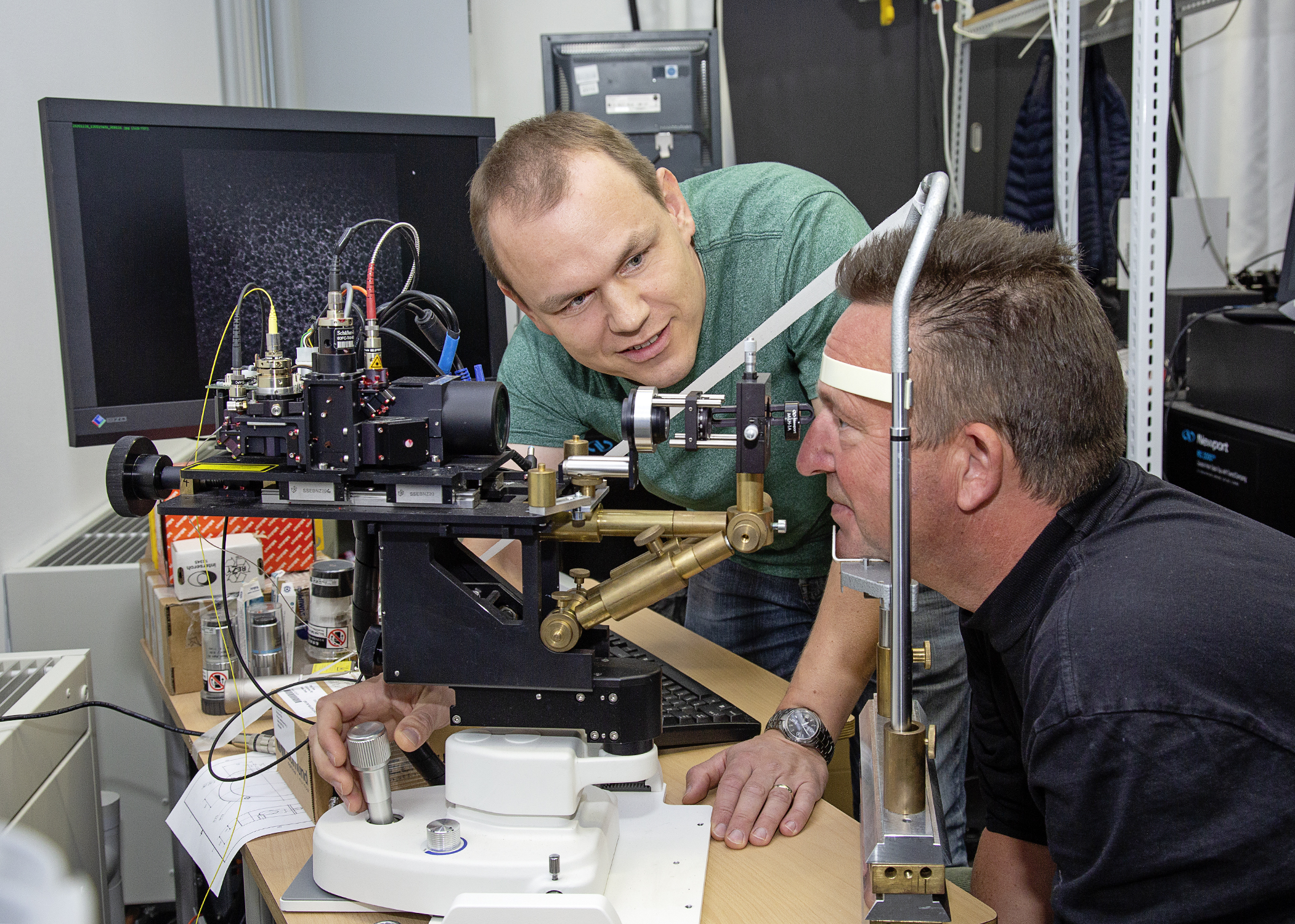
The report presents selected research projects addressing fundamental questions at the interface of physics, chemistry, biology, and engineering. Topics range from biomaterials and medical implants to nanoscale materials and advanced optical methods.
Examples include the development of biocompatible hydrogels for biomedical applications, energy-harvesting implants using piezoelectric materials, and new imaging approaches for cellular processes. These studies illustrate how interdisciplinary approaches enable innovative solutions across different fields.
Thematic Areas
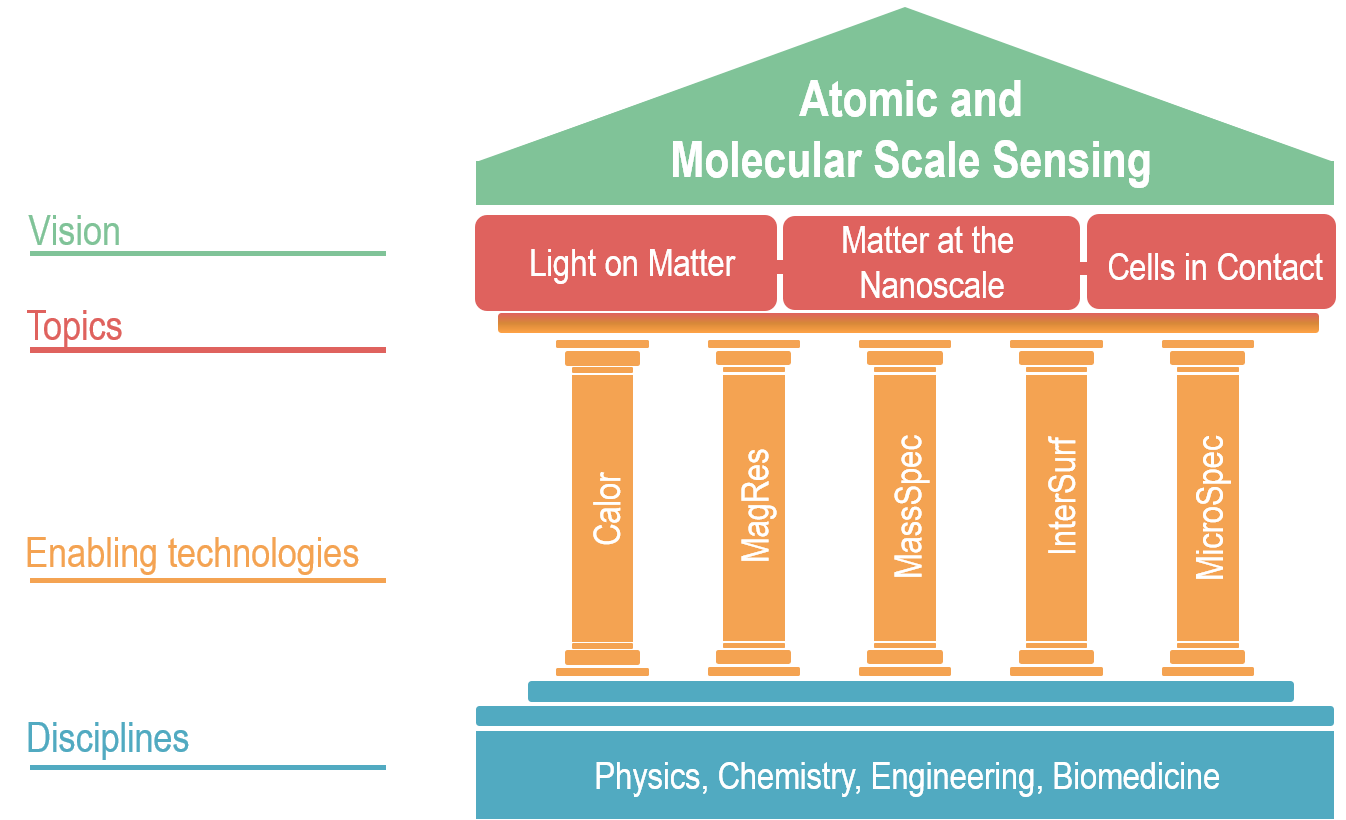
The research within LL&M is structured along three central thematic areas:
- Cells in Contact – focusing on biomaterials, cell–material interactions, and biomedical applications
- Light on Matter – investigating optical processes, spectroscopy, and imaging techniques
- Matter at the Nanoscale – exploring nanostructures, materials, and their functional properties
Together, these areas reflect the department’s interdisciplinary approach to understanding and controlling processes at the smallest scales.
Infrastructure / Competence Centers
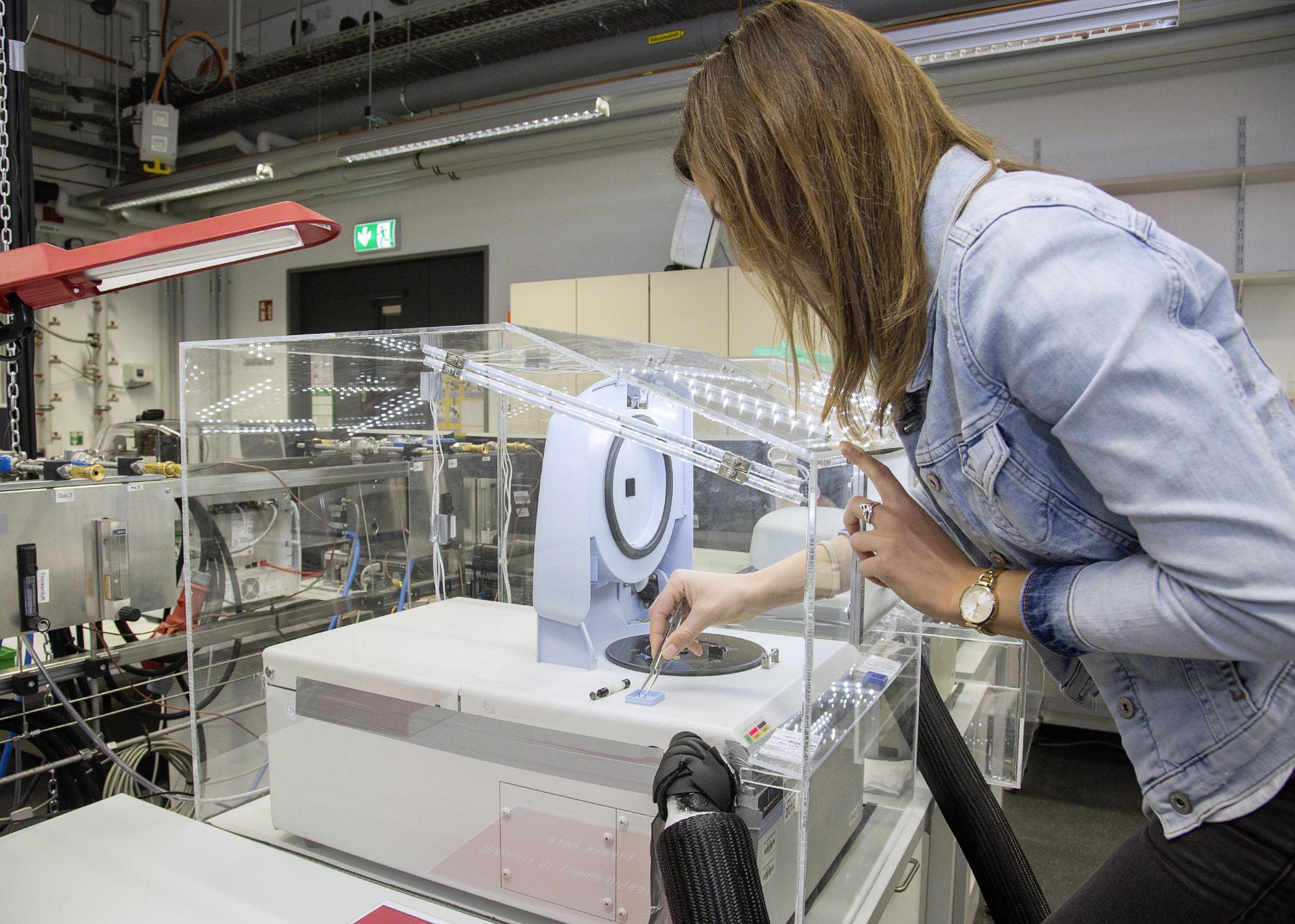
The department is supported by a range of specialized competence centers providing advanced analytical and experimental capabilities. These include facilities for calorimetry, magnetic resonance, mass spectrometry, electron microscopy, and optical spectroscopy.
These shared infrastructures enable high-resolution analysis and support interdisciplinary collaboration across different research groups and disciplines.