
Interdisciplinary Research
Shared infrastructure. Shared expertise. Shared success.
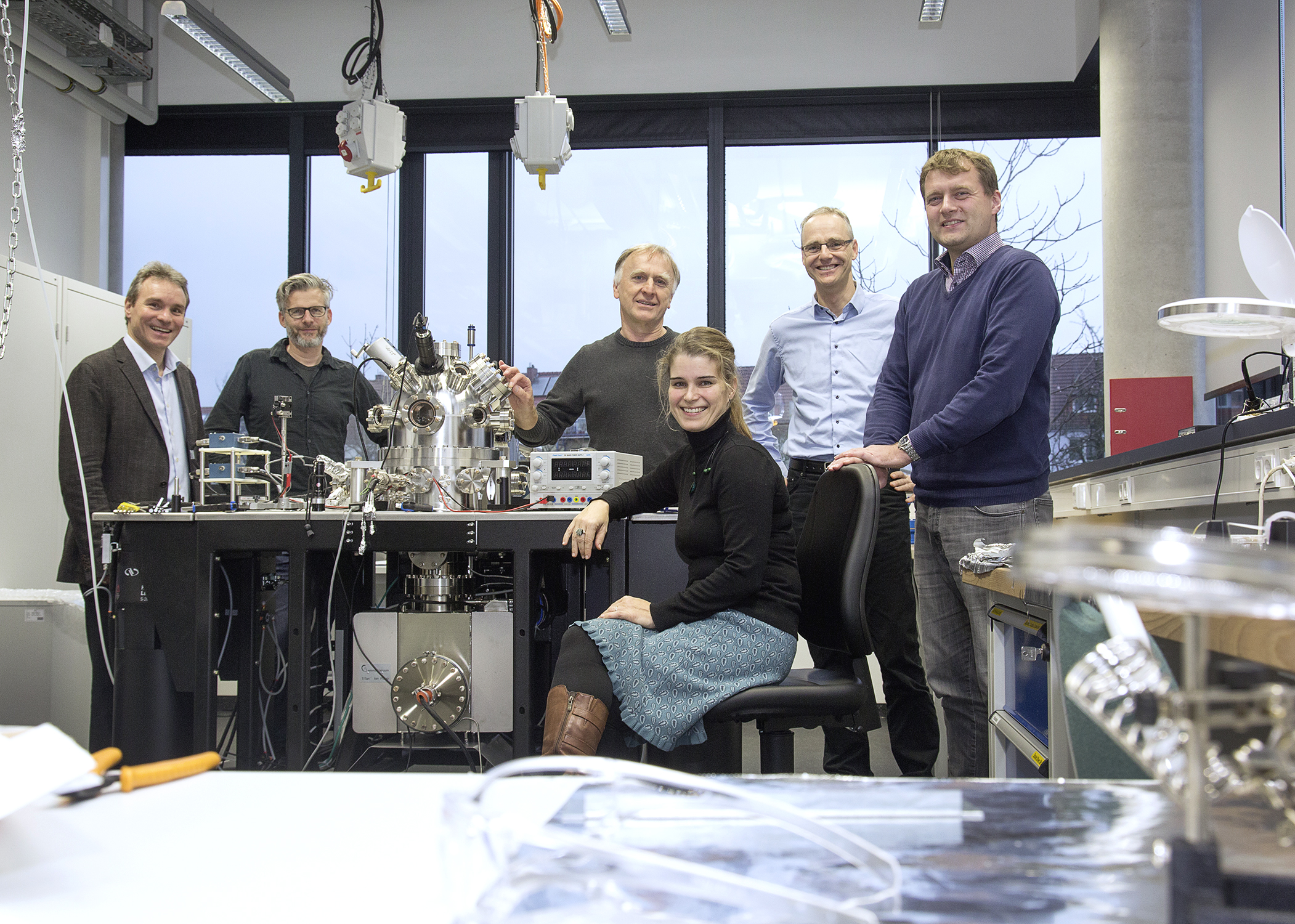
The LL&M Research Building is much more than just a building with modern laboratory equipment. It creates a shared research environment in which scientists from various disciplines pool their expertise and share state-of-the-art technologies. This gives rise to research approaches, collaborations, and scientific developments that go far beyond the capabilities of individual research groups.
Developing New Areas of Research Together
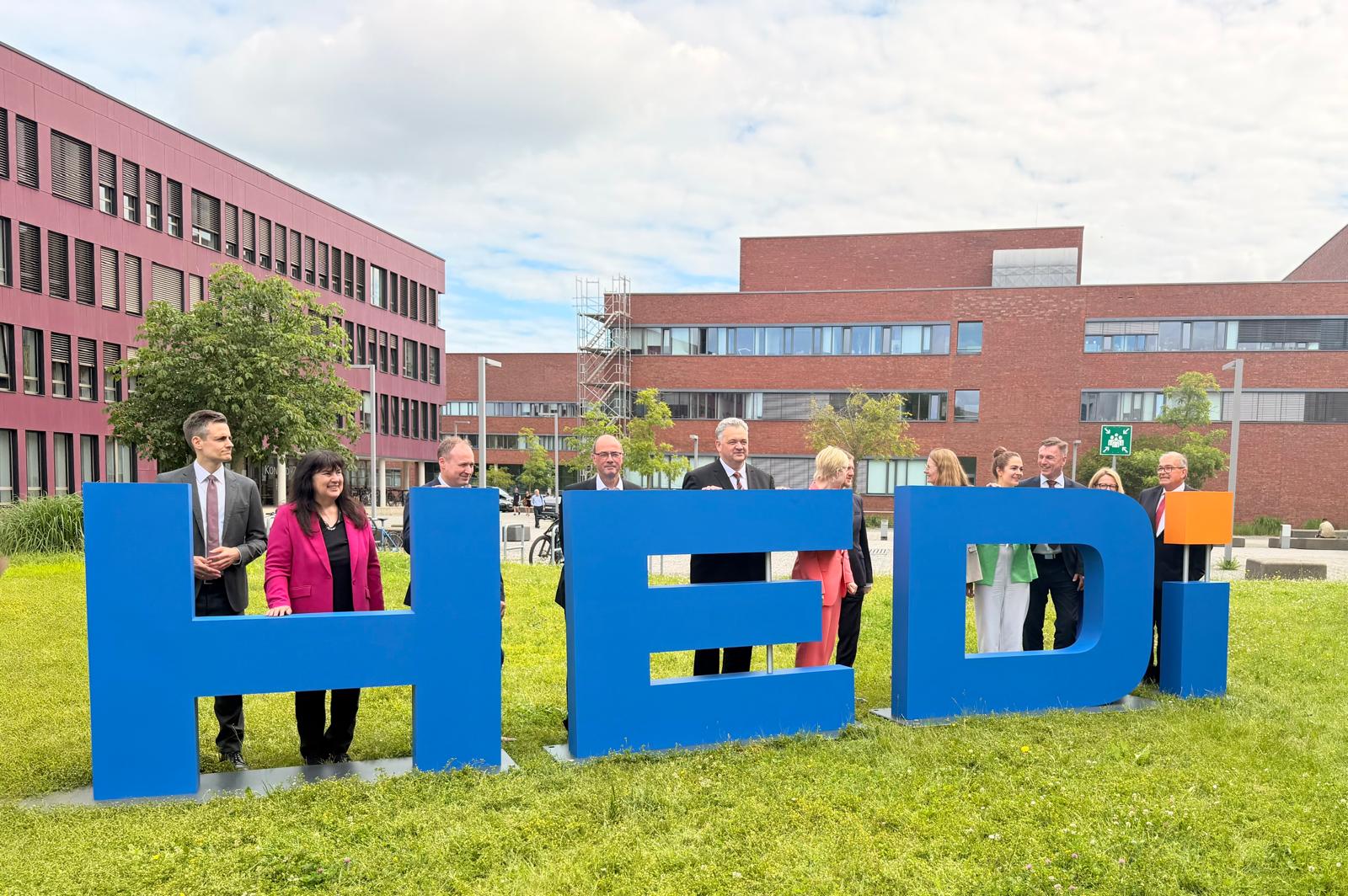
The interdisciplinary research environment makes it possible to develop new areas of scientific focus that individual institutes would find difficult to pursue on their own.
Current examples include:
- HEDI (High Energy Density Initiative) or research into matter under extreme conditions,
- the further development of the joint research program "Networked Matter" with Christian-Albrechts University in Kiel,
- as well as new fields of research such as quantum sensing and neuroelectronicsk
From Basic Research to Innovation
The collaborative research environment not only contributes to scientific knowledge but also lays the foundation for innovation and technology transfer.
Technology-oriented companies have already emerged from the LL&M research community or are closely linked to the research facility. Examples include
- RoNa Tech GmbH (thermoanalytical measurement technology) Link
- Cell2Green (Sustainable bio-based materials) Link
- Innocent Meat (Biotechnology and Cultured Meat) Link
Shared Technologies
The six centers of excellence provide access to state-of-the-art research infrastructure. Different analytical methods can be combined within a single project, thereby providing a more comprehensive understanding of complex materials and biological systems.
New Scientific Collaborations
The physical proximity of shared laboratories and technology platforms fosters collaboration among researchers from different disciplines. This collaboration gives rise to new scientific questions, joint publications, and successful research consortia.
Development of New Fields of Research
The shared infrastructure creates opportunities for new scientific topics and innovative methods. As a result, new fields of research have been established in recent years, and strategic initiatives such as HEDI, Networked Matter, and new activities in the field of quantum sensing have been developed.
International Visibility
The shared research infrastructure strengthens the department’s competitiveness in securing large-scale research consortia and third-party-funded projects. At the same time, it enhances the international visibility of Rostock as a research hub.
The Research Building by the Numbers
| LL&M Research Building | |
| * | 6 Competence centers |
| * | approximately 2,500 m² of laboratory space |
| * | SFBs, GRKs, and EU Projects |
| * | five faculties |
| * | national and international partners |
| * | Continuous expansion of the research infrastructure |
| * |
| Funding Format | Quantity / Status |
| SFBs / TRRs | SFB 1270, SFB 1477, TRR HYP*MOL |
| Graduate Research Training Programs | GRK 2901, GRK 2943, IGK 2676 |
| EU-Projects | ULTRHAS, MuCol, AMMOTRACe |
| Strategic Initiatives | FRAME, HEDI |
| Collaborations | CAU Kiel · HZDR · LIKAT · FZ Jülich · RWTH Aachen · TU Munich · TU Chemnitz · University of Leipzig · Helmholtz Centers · Max Planck Institutes · University of Calgary · University of Ottawa · international partners in EU and collaborative projects |