
Publications by members and their working groups
Publications with the department as second affiliation
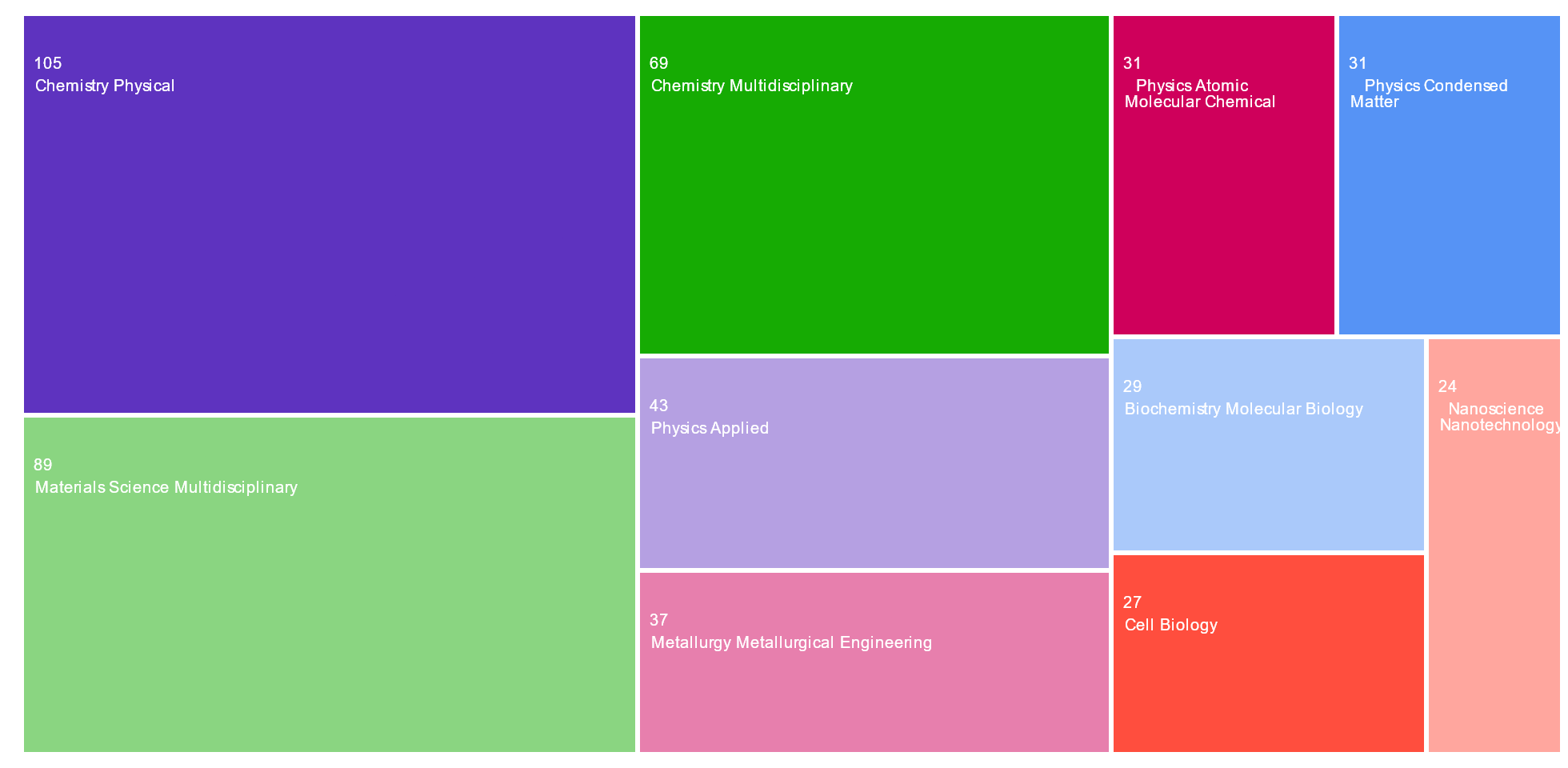
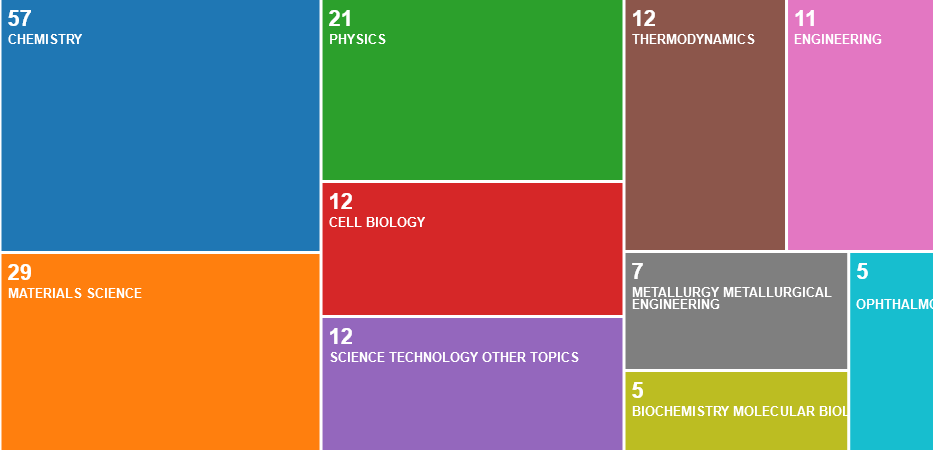
This page lists excerpts from some publications by members of the Department of Life, Light & Matter from the years 2012-2026 who have given the Department LL&M as their second home address. The publications have been provided with a link to the Web of Science. If you have any additions, please write to llm@uni-rostock.de.
Status: Sept. 2021 (287 publications)
Status: March 2024 (498 publications)
Status: November 2024 (570 publications)
Status: June 2026 (746 publications)
Status: July 2026 (763 publications)

Highly Cited Papers
Record 1 of 2
Title: Advancements in hydrogel design for articular cartilage regeneration: A comprehensive review
Author(s): Hashemi-Afzal, F (Hashemi-Afzal, Fariba); Fallahi, H (Fallahi, Hooman); Bagheri, F (Bagheri, Fatemeh); Collins, MN (Collins, Maurice N.); Eslaminejad, MB (Eslaminejad, Mohamadreza Baghaban); Seitz, H (Seitz, Hermann)
Source: BIOACTIVE MATERIALS Volume: 43 Pages: 1-31 DOI: 10.1016/j.bioactmat.2024.09.005 Published Date: 2025 JAN
Abstract: This review paper explores the cutting-edge advancements in hydrogel design for articular cartilage regeneration (CR). Articular cartilage (AC) defects are a common occurrence worldwide that can lead to joint breakdown at a later stage of the disease, necessitating immediate intervention to prevent progressive degeneration of cartilage. Decades of research into the biomedical applications of hydrogels have revealed their tremendous potential, particularly in soft tissue engineering, including CR. Hydrogels are highly tunable and can be designed to meet the key criteria needed for a template in CR. This paper aims to identify those criteria, including the hydrogel components, mechanical properties, biodegradability, structural design, and integration capability with the adjacent native tissue and delves into the benefits that CR can obtain through appropriate design. Stratified-structural hydrogels that emulate the native cartilage structure, as well as the impact of environmental stimuli on the regeneration outcome, have also been discussed. By examining recent advances and emerging techniques, this paper offers valuable insights into developing effective hydrogel-based therapies for AC repair.Accession Number: WOS:001318290100001PubMed ID: 39318636Author Identifiers:AuthorWeb of Science ResearcherIDORCID NumberFallahi, Hooman 0000-0002-6676-2919 Seitz, Hermann G-1657-2015 0000-0003-3401-0090 Bagheri, Fatemeh JUU-6250-2023 Bagheri, Fatemeh 0000-0002-9920-338X Baghaban Eslaminejad, Mohamadreza S-3645-2017 0000-0002-1036-0072 Collins, Maurice H-2170-2011 eISSN: 2452-199X
Record 2 of 2
Title: Lead-DBS v3.0: Mapping deep brain stimulation effects to local anatomy and global networks
Author(s): Neudorfer, C (Neudorfer, Clemens); Butenko, K (Butenko, Konstantin); Oxenford, S (Oxenford, Simon); Rajamani, N (Rajamani, Nanditha); Achtzehn, J (Achtzehn, Johannes); Goede, L (Goede, Lukas); Hollunder, B (Hollunder, Barbara); Ríos, AS (Rios, Ana Sofia); Hart, L (Hart, Lauren); Tasserie, J (Tasserie, Jordy); Fernando, KB (Fernando, Kavisha B.); Nguyen, TAK (Nguyen, T. A. Khoa); Al-Fatly, B (Al-Fatly, Bassam); Vissani, M (Vissani, Matteo); Fox, M (Fox, Michael); Richardson, RM (Richardson, R. Mark); van Rienen, U (van Rienen, Ursula); Kühn, AA (Kuehn, Andrea A.); Husch, AD (Husch, Andreas D.); Opri, E (Opri, Enrico); Dembek, T (Dembek, Till); Li, NF (Li, Ningfei); Horn, A (Horn, Andreas)
Source: NEUROIMAGE Volume: 268 Article Number: 119862 DOI: 10.1016/j.neuroimage.2023.119862 Early Access Date: JAN 2023 Published Date: 2023 MAR
Abstract: Following its introduction in 2014 and with support of a broad international community, the open-source tool-box Lead-DBS has evolved into a comprehensive neuroimaging platform dedicated to localizing, reconstructing, and visualizing electrodes implanted in the human brain, in the context of deep brain stimulation (DBS) and epilepsy monitoring. Expanding clinical indications for DBS, increasing availability of related research tools, and a growing community of clinician-scientist researchers, however, have led to an ongoing need to maintain, up-date, and standardize the codebase of Lead-DBS. Major development efforts of the platform in recent years have now yielded an end-to-end solution for DBS-based neuroimaging analysis allowing comprehensive image prepro-cessing, lead localization, stimulation volume modeling, and statistical analysis within a single tool. The aim of the present manuscript is to introduce fundamental additions to the Lead-DBS pipeline including a deformation warpfield editor and novel algorithms for electrode localization. Furthermore, we introduce a total of three com-prehensive tools to map DBS effects to local, tract-and brain network-levels. These updates are demonstrated using a single patient example (for subject-level analysis), as well as a retrospective cohort of 51 Parkinson's disease patients who underwent DBS of the subthalamic nucleus (for group-level analysis). Their applicability is further demonstrated by comparing the various methodological choices and the amount of explained variance in clinical outcomes across analysis streams. Finally, based on an increasing need to standardize folder and file nam-ing specifications across research groups in neuroscience, we introduce the brain imaging data structure (BIDS) derivative standard for Lead-DBS. Thus, this multi-institutional collaborative effort represents an important stage in the evolution of a comprehensive, open-source pipeline for DBS imaging and connectomics.